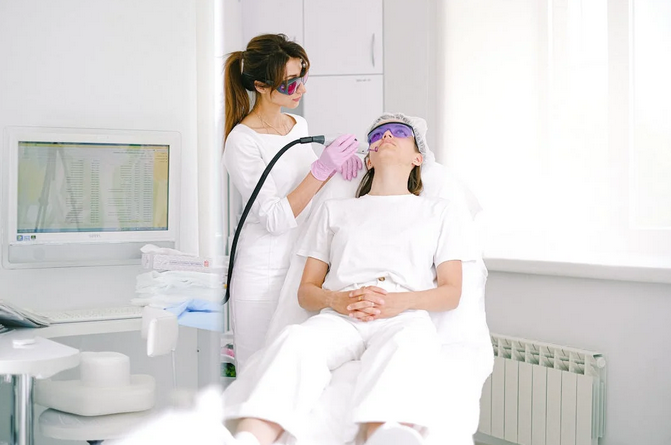
Cold exposure and cryotherapy involve exposing the body to low temperatures for therapeutic purposes. Cold exposure can occur naturally through activities like cold showers or exposure to outdoor environments. At the same time, cryotherapy typically uses specialized equipment to deliver controlled cold temperatures in a clinical or wellness setting. These practices have been studied for their potential effects on circulation, inflammation, and metabolic function. When the body encounters cold temperatures, it activates physiological responses designed to maintain internal balance and protect vital organs. These responses include constriction of blood vessels and stimulation of the nervous system. Understanding how cold exposure and cryotherapy work helps explain why they are increasingly explored as methods that may contribute to physical recovery, improved circulation, and overall well-being.
Effects on Circulation and Blood Flow
One of the key physiological responses to cold exposure is the change in blood circulation. When the body is exposed to cold, blood vessels near the skin constrict to conserve heat and maintain core body temperature. After exposure ends and the body begins to warm, blood vessels expand again, increasing blood flow to tissues. This cycle of constriction and dilation can stimulate circulation and support the delivery of oxygen and nutrients throughout the body. Improved circulation is important for maintaining healthy tissues and supporting the body’s natural repair processes. Because of this response, controlled cold exposure has been widely examined for its role in promoting circulatory efficiency and recovery following physical exertion.
Reducing Inflammation and Supporting Recovery

Cold exposure has long been associated with reducing inflammation and supporting physical recovery. When tissues experience strain or minor injury, inflammation can occur as part of the body’s natural healing process. Applying cold temperatures can slow nerve activity and reduce swelling by limiting blood flow to the affected area during the initial phase. Cryotherapy chambers and localized cold treatments are often used to deliver consistent cooling to the body or specific muscles. This controlled cooling may help reduce discomfort and support recovery after physical activity. By influencing inflammatory responses and muscle tension, cold exposure has gained attention as a method that may help manage physical stress on the body.
Influence on Metabolism and Energy Regulation
Exposure to cold environments can also influence metabolic activity. When the body is exposed to cold, it increases energy expenditure to maintain its internal temperature. This process involves activating brown adipose tissue, a type of fat that generates heat by burning calories. As a result, cold exposure may stimulate metabolic responses that support energy balance. Researchers continue to explore how these mechanisms affect overall metabolic health and body temperature regulation. Although the metabolic effects vary between individuals, the body’s response to cold demonstrates how environmental conditions can influence internal biological processes related to energy use.
Mental and Neurological Responses
Cold exposure can also trigger neurological responses that influence mood and alertness. Sudden exposure to cold stimulates the sympathetic nervous system, which can increase heart rate and release certain neurotransmitters associated with focus and energy. Some individuals report feeling more alert and mentally refreshed after brief cold exposure. The sensory intensity of cold temperatures can also create a strong physical stimulus, heightening awareness and concentration. These neurological responses illustrate how physical environmental factors can influence mental states. Researchers continue to investigate how controlled cold exposure may interact with stress responses and overall mental well-being.
Cold exposure and cryotherapy illustrate how environmental stimuli can influence various physiological processes within the body. Through changes in circulation, inflammation response, metabolism, and neurological activity, exposure to low temperatures triggers mechanisms that help the body maintain balance and adapt to external conditions. While research continues to explore the full extent of these effects, current understanding highlights the complex ways in which the body responds to cold. By examining these responses, scientists and health professionals gain insight into how controlled environmental exposure may contribute to physical recovery, metabolic function, and overall well-being.

 The first tip is to avoid skipping breakfast. A lot of people think that they can save calories by not eating breakfast. However, this is actually counterproductive. If you plan on skipping breakfast, there is a huge chance that you will eat more throughout the day. Additionally, skipping breakfast can lead to low energy levels and cravings later on. So, make sure to eat a nutritious breakfast every day. Some people like to start their day with a smoothie or a healthy breakfast bowl.
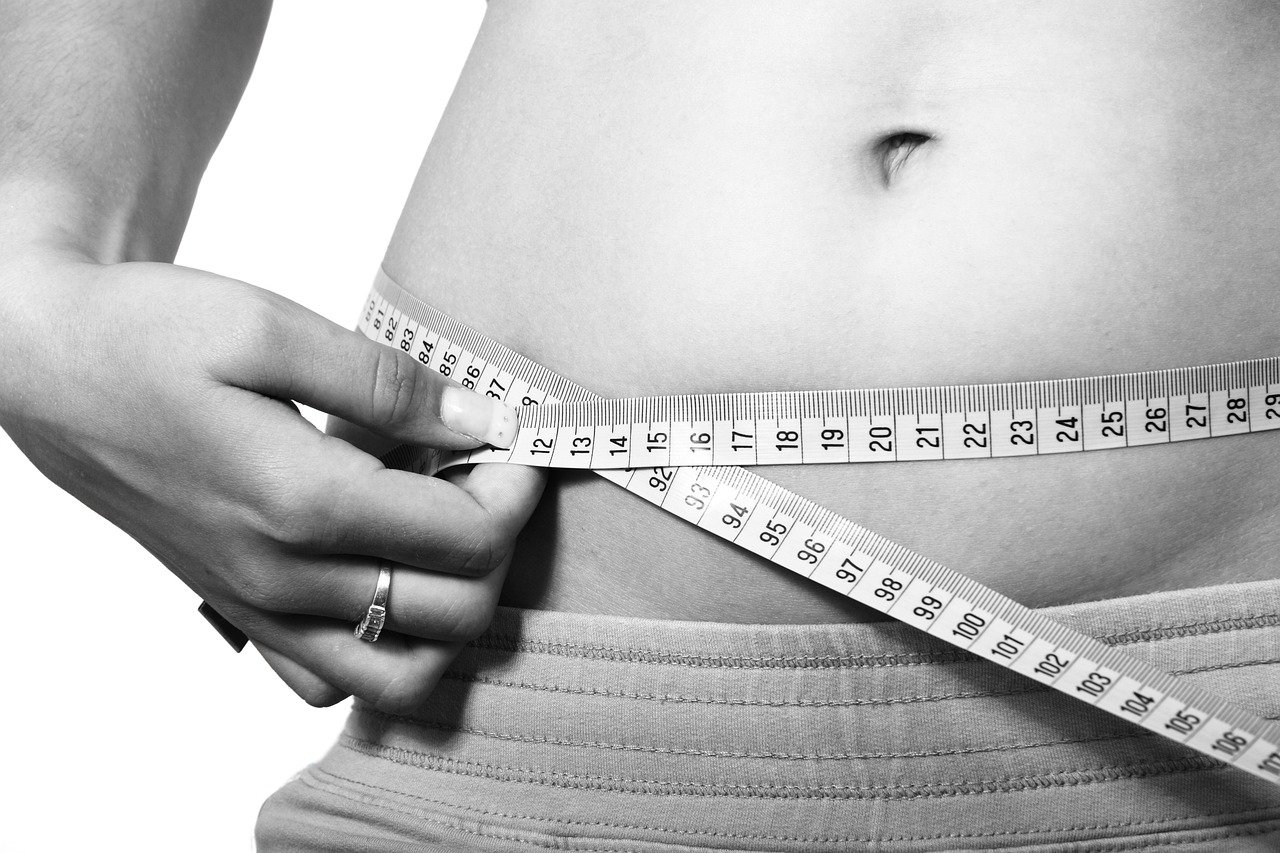
 Lastly, it’s also important to watch your portions. Overeating can lead to weight gain, even if you’re eating healthy foods. So, make sure that you’re not overeating at each meal. Some experts recommend using a smaller plate to control portions. Additionally, you can also use portion control containers. However, other people prefer to eyeball their portions. This is especially true if you’re eating at home.

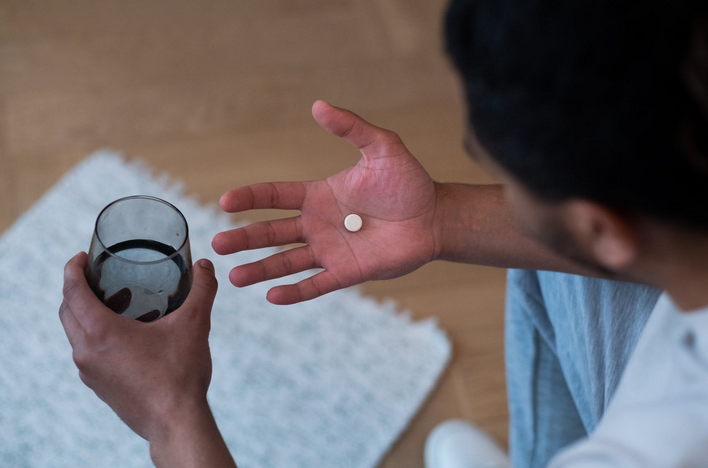
 Phentermine can help you lose weight if you are already overweight or obese. This medication is also good for people who need to shed a few pounds before undergoing certain medical procedures like surgery or laser treatments.