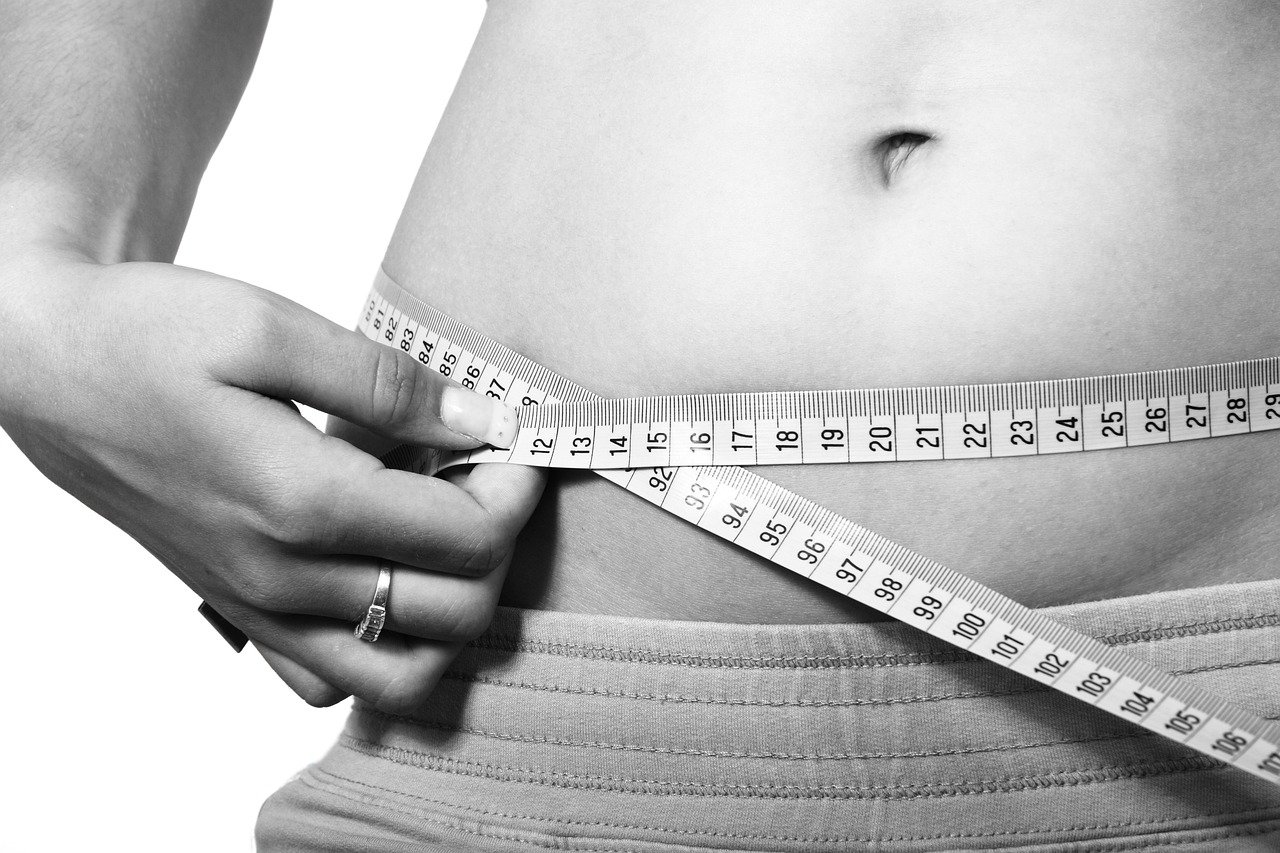

29 New Bury Health How to Effectively Treat Mild Hemorrhoids

How to Effectively Treat Mild Hemorrhoids

If you are one of the millions of people who suffer from hemorrhoids, you know that finding an effective treatment can be a challenge. There are many products and treatments on the market, but not all of them work. Here, we will discuss some of the most effective ways to treat mild hemorrhoids. We will also talk about the benefits of each treatment option, and how to choose the right one for you. So if you are looking for relief from your symptoms, keep reading.

Apply Some Ointment
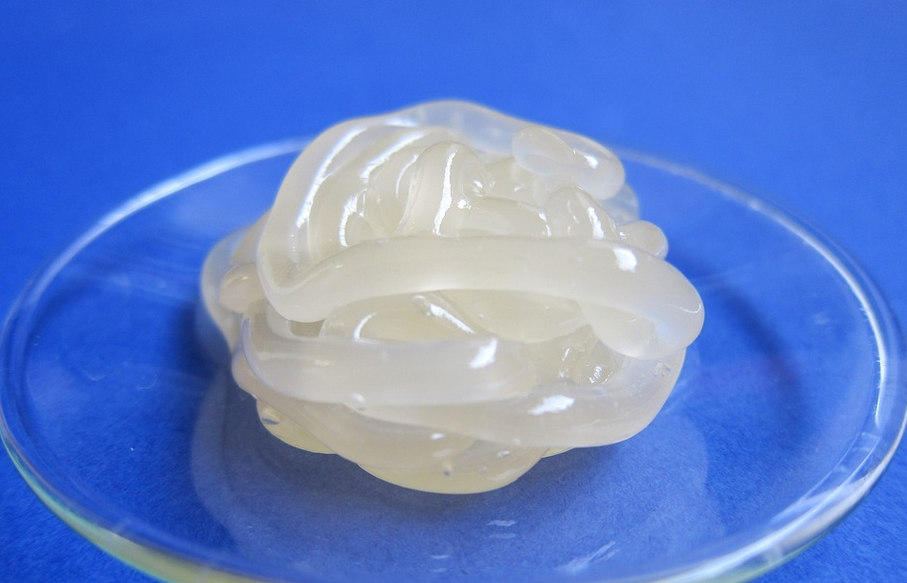
gelOne of the most effective ways to treat mild hemorrhoids is to apply an ointment or cream. There are many different types of ointments and creams on the market, but not all of them are equally effective. You will want to look for an ointment or cream that contains ingredients like witch hazel or aloe vera. These ingredients will help to soothe the inflammation and irritation that is often associated with hemorrhoids. Apply the ointment or cream to the affected area several times a day, and you should see a noticeable improvement in your symptoms.

Take a Warm Bath

bathAnother effective way to treat mild hemorrhoids is to take a warm bath. This will help to soothe the irritation and inflammation that is associated with the condition. Add some Epsom salt or baking soda to your bath water to help reduce the swelling. Soak in the tub for 20 minutes; just relax and let the warm water work its magic. Doing this often will help to reduce your symptoms and make you more comfortable. If you regularly take warm baths, you can actually prevent hemorrhoids. This is what makes the treatment so effective.

Follow a High-Fiber Diet

fruitsLastly, it is important to follow a high-fiber diet. This means eating plenty of healthy foods and whole grains. Doing so will help to soften your stool and make it easier to pass. This will reduce the strain on your hemorrhoids and help to heal them faster. Start off slowly if you are not used to eating a high-fiber diet. Increase your intake gradually over time. Also, be sure to drink plenty of water. This will help to prevent constipation and make it easier for your body to absorb the fiber. Remember that fiber is an essential part of any healthy diet, so even if you don’t have hemorrhoids, eating plenty of fiber-rich foods is still a good idea. There are many recipes online that can help you to increase your fiber intake.

Hemorrhoids can be a painful and embarrassing condition, but they are often easy to treat. If you have mild hemorrhoids, you can do several things to ease the symptoms and promote healing. Remember that most hemorrhoid cases improve with time and simple self-care measures. If your symptoms persist or worsen, see your doctor for advice. Have you tried any of these treatments for your hemorrhoids? What worked best for you? Let us know in the comments below.


Leave a Reply

Your email address will not be published. Required fields are marked *

Related Post

healthy

Expert Tips on How to Speed Up Your MetabolismExpert Tips on How to Speed Up Your Metabolism

Do you want to lose weight and get in shape? Do you feel like even though you’ve taken the best fat burner for men, you can’t still see the desired outcome? If so, you must focus on speeding up your metabolism. When your metabolism is working properly, you will burn more calories throughout the day, even when you are resting. It means that you can eat more food without gaining weight. Also, you can get your body more energized throughout the day. But how do you speed up your metabolism? Lucky for you, we’ve conducted some research and come up with this post here. So, keep reading to find out how to speed up your metabolism and help you reach your fitness goals.

Never Skip Your Metabolism-Boosting Breakfast

If you want to speed up your metabolism, the first step is to ensure you never skip breakfast. Breakfast is referred to as the most important meal of the day for a reason. It’s because you are essentially breaking the overnight fast when you eat breakfast. And after fasting for around eight hours, your body needs nutrients to replenish its energy levels. That’s why you should eat a nutritious and filling breakfast every morning. Some of the best foods you can eat for breakfast include eggs, oatmeal, Greek yogurt, avocado toast, and green smoothies.

meals

Get Your Micronutrients Right

Did you know that among all of the nutrients that your body needs, micronutrients are actually the most important for speeding up your metabolism? Micronutrients include vitamins and minerals essential for countless metabolic processes in your body. And when you don’t get enough of them, it can lead to a slow metabolism. So, make sure to eat plenty of foods rich in micronutrients. The best examples include fruits, vegetables, nuts, and seeds.

Do Your Cardio, But Smartly

Exercising is still the key to speeding up your metabolism. There is no shortcut to it. But when it comes to cardio, you must ensure that you are doing it the right way. First, you need to focus on HIIT (high-intensity interval training) workouts instead of steady-state cardio. HIIT workouts boost your metabolism because they involve short bursts of intense activity followed by rest periods. This type of workout is more effective at burning calories and fat during and after.

donuts

Say No to Stress, Like Nothing Happens to You

But most importantly, you need to manage stress levels. I know it may sound easier said than done, but it’s what you really need. When stressed out, your body goes into survival mode and starts to store fat instead of burning it. So, to speed up your metabolism, you need to find ways to relax and destress. Some of the best ways to do that include yoga, meditation, and spending time in nature. As you can see, there are a few things that you can do to speed up your metabolism. But it’s important to remember that these are just some tips and tricks. You still need to focus on eating healthy and exercising regularly if you want to see the best results. But if you follow these tips, you should start seeing a boost in your metabolism in no time. And that will help you reach your fitness goals much faster.

weight loss

Tips for a Healthy Weight LossTips for a Healthy Weight Loss

Many people want to lose weight, and they do a lot of things that can make their weight loss unhealthy. Some do crash dieting and more. However, other people also take weight loss supplements. Exipure is known to be one of the most effective and safest ones out there. Here, we will discuss some tips that will help you achieve your goals. Losing weight can be difficult, but it’s not impossible. With the right approach, you can reach your desired weight in no time. So, let’s get started.

Avoid Skipping Breakfast

oatsThe first tip is to avoid skipping breakfast. A lot of people think that they can save calories by not eating breakfast. However, this is actually counterproductive. If you plan on skipping breakfast, there is a huge chance that you will eat more throughout the day. Additionally, skipping breakfast can lead to low energy levels and cravings later on. So, make sure to eat a nutritious breakfast every day. Some people like to start their day with a smoothie or a healthy breakfast bowl.

Eat Healthy Foods

The next tip is to eat healthy foods. If you want to lose weight, you need to make sure that you’re eating the right foods. Eating lots of processed and sugary foods will only sabotage your efforts. Instead, focus on eating whole foods. When eating fats, you should prefer healthy fats. Some people meal plan so that they can make sure they’re eating healthy foods throughout the week. This is very beneficial if you’re short on time.

Watch Your Portions

mealLastly, it’s also important to watch your portions. Overeating can lead to weight gain, even if you’re eating healthy foods. So, make sure that you’re not overeating at each meal. Some experts recommend using a smaller plate to control portions. Additionally, you can also use portion control containers. However, other people prefer to eyeball their portions. This is especially true if you’re eating at home.

Losing weight takes time and effort, but it’s definitely worth it. By following these tips, you can achieve your desired weight in no time. Just remember to be patient and consistent with your approach. Weight loss is a journey, not a race. So, take your time and enjoy the process. Thanks for reading. We hope that you find this blog post helpful.

The Hidden Health Benefits of Cold Exposure and CryotherapyThe Hidden Health Benefits of Cold Exposure and Cryotherapy

Cold exposure and cryotherapy involve exposing the body to low temperatures for therapeutic purposes. Cold exposure can occur naturally through activities like cold showers or exposure to outdoor environments. At the same time, cryotherapy typically uses specialized equipment to deliver controlled cold temperatures in a clinical or wellness setting. These practices have been studied for their potential effects on circulation, inflammation, and metabolic function. When the body encounters cold temperatures, it activates physiological responses designed to maintain internal balance and protect vital organs. These responses include constriction of blood vessels and stimulation of the nervous system. Understanding how cold exposure and cryotherapy work helps explain why they are increasingly explored as methods that may contribute to physical recovery, improved circulation, and overall well-being.

Effects on Circulation and Blood Flow

One of the key physiological responses to cold exposure is the change in blood circulation. When the body is exposed to cold, blood vessels near the skin constrict to conserve heat and maintain core body temperature. After exposure ends and the body begins to warm, blood vessels expand again, increasing blood flow to tissues. This cycle of constriction and dilation can stimulate circulation and support the delivery of oxygen and nutrients throughout the body. Improved circulation is important for maintaining healthy tissues and supporting the body’s natural repair processes. Because of this response, controlled cold exposure has been widely examined for its role in promoting circulatory efficiency and recovery following physical exertion.

Reducing Inflammation and Supporting Recovery

Cold exposure has long been associated with reducing inflammation and supporting physical recovery. When tissues experience strain or minor injury, inflammation can occur as part of the body’s natural healing process. Applying cold temperatures can slow nerve activity and reduce swelling by limiting blood flow to the affected area during the initial phase. Cryotherapy chambers and localized cold treatments are often used to deliver consistent cooling to the body or specific muscles. This controlled cooling may help reduce discomfort and support recovery after physical activity. By influencing inflammatory responses and muscle tension, cold exposure has gained attention as a method that may help manage physical stress on the body.

Influence on Metabolism and Energy Regulation

Exposure to cold environments can also influence metabolic activity. When the body is exposed to cold, it increases energy expenditure to maintain its internal temperature. This process involves activating brown adipose tissue, a type of fat that generates heat by burning calories. As a result, cold exposure may stimulate metabolic responses that support energy balance. Researchers continue to explore how these mechanisms affect overall metabolic health and body temperature regulation. Although the metabolic effects vary between individuals, the body’s response to cold demonstrates how environmental conditions can influence internal biological processes related to energy use.

Mental and Neurological Responses

Cold exposure can also trigger neurological responses that influence mood and alertness. Sudden exposure to cold stimulates the sympathetic nervous system, which can increase heart rate and release certain neurotransmitters associated with focus and energy. Some individuals report feeling more alert and mentally refreshed after brief cold exposure. The sensory intensity of cold temperatures can also create a strong physical stimulus, heightening awareness and concentration. These neurological responses illustrate how physical environmental factors can influence mental states. Researchers continue to investigate how controlled cold exposure may interact with stress responses and overall mental well-being.

Cold exposure and cryotherapy illustrate how environmental stimuli can influence various physiological processes within the body. Through changes in circulation, inflammation response, metabolism, and neurological activity, exposure to low temperatures triggers mechanisms that help the body maintain balance and adapt to external conditions. While research continues to explore the full extent of these effects, current understanding highlights the complex ways in which the body responds to cold. By examining these responses, scientists and health professionals gain insight into how controlled environmental exposure may contribute to physical recovery, metabolic function, and overall well-being.