
29 New Bury Health Expert Tips on How to Speed Up Your Metabolism

Expert Tips on How to Speed Up Your Metabolism

healthy

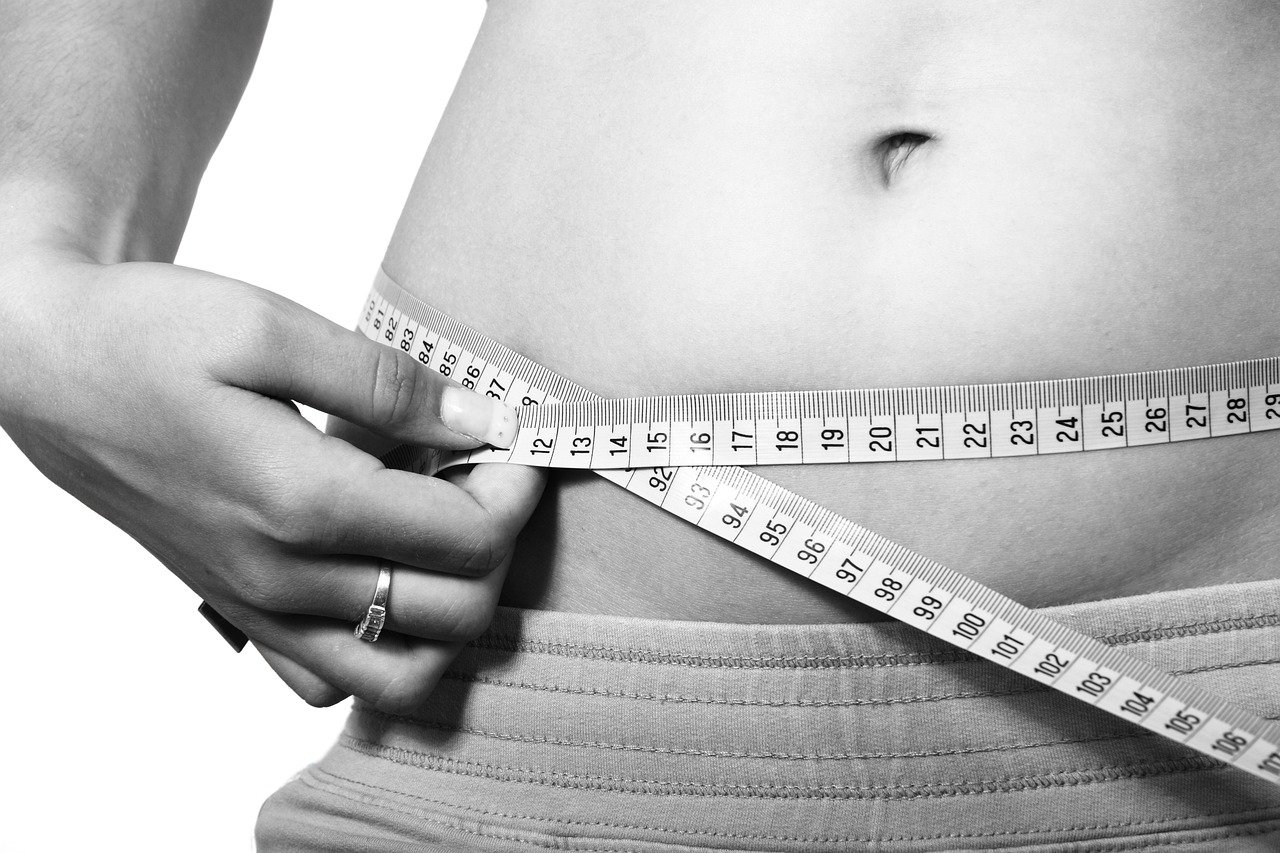
Do you want to lose weight and get in shape? Do you feel like even though you’ve taken the best fat burner for men, you can’t still see the desired outcome? If so, you must focus on speeding up your metabolism. When your metabolism is working properly, you will burn more calories throughout the day, even when you are resting. It means that you can eat more food without gaining weight. Also, you can get your body more energized throughout the day. But how do you speed up your metabolism? Lucky for you, we’ve conducted some research and come up with this post here. So, keep reading to find out how to speed up your metabolism and help you reach your fitness goals.

Never Skip Your Metabolism-Boosting Breakfast

If you want to speed up your metabolism, the first step is to ensure you never skip breakfast. Breakfast is referred to as the most important meal of the day for a reason. It’s because you are essentially breaking the overnight fast when you eat breakfast. And after fasting for around eight hours, your body needs nutrients to replenish its energy levels. That’s why you should eat a nutritious and filling breakfast every morning. Some of the best foods you can eat for breakfast include eggs, oatmeal, Greek yogurt, avocado toast, and green smoothies.

meals

Get Your Micronutrients Right

Did you know that among all of the nutrients that your body needs, micronutrients are actually the most important for speeding up your metabolism? Micronutrients include vitamins and minerals essential for countless metabolic processes in your body. And when you don’t get enough of them, it can lead to a slow metabolism. So, make sure to eat plenty of foods rich in micronutrients. The best examples include fruits, vegetables, nuts, and seeds.

Do Your Cardio, But Smartly

Exercising is still the key to speeding up your metabolism. There is no shortcut to it. But when it comes to cardio, you must ensure that you are doing it the right way. First, you need to focus on HIIT (high-intensity interval training) workouts instead of steady-state cardio. HIIT workouts boost your metabolism because they involve short bursts of intense activity followed by rest periods. This type of workout is more effective at burning calories and fat during and after.
donuts

Say No to Stress, Like Nothing Happens to You

But most importantly, you need to manage stress levels. I know it may sound easier said than done, but it’s what you really need. When stressed out, your body goes into survival mode and starts to store fat instead of burning it. So, to speed up your metabolism, you need to find ways to relax and destress. Some of the best ways to do that include yoga, meditation, and spending time in nature. As you can see, there are a few things that you can do to speed up your metabolism. But it’s important to remember that these are just some tips and tricks. You still need to focus on eating healthy and exercising regularly if you want to see the best results. But if you follow these tips, you should start seeing a boost in your metabolism in no time. And that will help you reach your fitness goals much faster.


Leave a Reply

Your email address will not be published. Required fields are marked *

Related Post

mountains

Are You Hydrated? What Most People Get Wrong About Water IntakeAre You Hydrated? What Most People Get Wrong About Water Intake

You carry a water bottle everywhere. You sip throughout the day. You aim for those magical “eight glasses.” So, you must be hydrated, right? Not necessarily. Despite our best efforts, many of us are walking around mildly dehydrated without even realizing it. The problem isn’t always that we’re not drinking water—it’s that we don’t fully understand how hydration works. It’s time to rethink everything we’ve been told about water intake and hydration.

It’s Not Just About How Much You Drink

We’ve all heard the “8×8” rule: eight 8-ounce glasses of water a day. It’s simple and easy to remember—but also overly generalized. The truth is, that your hydration needs depend on several factors, including your weight, activity level, climate, and the types of food you eat. Some people may need much more than eight glasses, while others need less. More importantly, how your body uses that water is just as critical as how much you consume.

Your Body Doesn’t Absorb Water Instantly

A common misconception is that as soon as you drink water, you’re instantly hydrated. In reality, hydration is a process. Water has to pass through your digestive system and be absorbed into your bloodstream and cells. If you chug a bottle of water all at once, much of it might just be flushed out. Sipping consistently over time allows your body to absorb and use the water more effectively. It’s not about drinking more—it’s about drinking smarter.

Your Body Doesn’t Absorb Water Instantly

Food Plays a Bigger Role Than You Think

Water doesn’t just come from your glass—it also comes from your plate. Many fruits and vegetables, like cucumbers, oranges, and watermelons, are rich in water and help keep you hydrated. Soups, smoothies, and even cooked grains like rice and oats contain significant moisture. If you eat a nutrient-rich, water-dense diet, you’re already getting a head start on hydration—something the “just drink more” advice often overlooks.

Electrolytes: The Unsung Heroes of Hydration

Water is crucial, but it’s not the only player. Electrolytes—minerals like sodium, potassium, and magnesium—help regulate fluid balance in your body. If you’re sweating a lot, working out hard, or simply drinking tons of plain water without replenishing electrolytes, you might throw off your balance. That can lead to symptoms that feel like dehydration—headaches, fatigue, dizziness—even if you’re technically drinking enough water. Balanced hydration means maintaining both fluids and electrolytes.

Electrolytes: The Unsung Heroes of Hydration

Thirst Isn’t Always a Reliable Signal

Many people think they’re not dehydrated because they don’t feel thirsty. But thirst is a delayed signal—it kicks in after your body has already started experiencing dehydration. By the time you feel it, you’re already behind. And in some people, especially older adults, the thirst mechanism isn’t as sharp. That’s why it’s important to drink consistently throughout the day, rather than waiting until you feel parched. Hydration isn’t about obsessively counting cups or chugging litres of water at once. It’s about understanding how your body uses water and creating habits that support steady, effective hydration throughout the day. Think beyond the bottle: include hydrating foods, keep electrolytes in balance, and pay attention to how you feel—not just how much you drink. Staying truly hydrated is one of the simplest ways to support your energy, focus, and overall health—and now you know how to do it right.

The Hidden Health Benefits of Cold Exposure and CryotherapyThe Hidden Health Benefits of Cold Exposure and Cryotherapy

Cold exposure and cryotherapy involve exposing the body to low temperatures for therapeutic purposes. Cold exposure can occur naturally through activities like cold showers or exposure to outdoor environments. At the same time, cryotherapy typically uses specialized equipment to deliver controlled cold temperatures in a clinical or wellness setting. These practices have been studied for their potential effects on circulation, inflammation, and metabolic function. When the body encounters cold temperatures, it activates physiological responses designed to maintain internal balance and protect vital organs. These responses include constriction of blood vessels and stimulation of the nervous system. Understanding how cold exposure and cryotherapy work helps explain why they are increasingly explored as methods that may contribute to physical recovery, improved circulation, and overall well-being.

Effects on Circulation and Blood Flow

One of the key physiological responses to cold exposure is the change in blood circulation. When the body is exposed to cold, blood vessels near the skin constrict to conserve heat and maintain core body temperature. After exposure ends and the body begins to warm, blood vessels expand again, increasing blood flow to tissues. This cycle of constriction and dilation can stimulate circulation and support the delivery of oxygen and nutrients throughout the body. Improved circulation is important for maintaining healthy tissues and supporting the body’s natural repair processes. Because of this response, controlled cold exposure has been widely examined for its role in promoting circulatory efficiency and recovery following physical exertion.

Reducing Inflammation and Supporting Recovery

Cold exposure has long been associated with reducing inflammation and supporting physical recovery. When tissues experience strain or minor injury, inflammation can occur as part of the body’s natural healing process. Applying cold temperatures can slow nerve activity and reduce swelling by limiting blood flow to the affected area during the initial phase. Cryotherapy chambers and localized cold treatments are often used to deliver consistent cooling to the body or specific muscles. This controlled cooling may help reduce discomfort and support recovery after physical activity. By influencing inflammatory responses and muscle tension, cold exposure has gained attention as a method that may help manage physical stress on the body.

Influence on Metabolism and Energy Regulation

Exposure to cold environments can also influence metabolic activity. When the body is exposed to cold, it increases energy expenditure to maintain its internal temperature. This process involves activating brown adipose tissue, a type of fat that generates heat by burning calories. As a result, cold exposure may stimulate metabolic responses that support energy balance. Researchers continue to explore how these mechanisms affect overall metabolic health and body temperature regulation. Although the metabolic effects vary between individuals, the body’s response to cold demonstrates how environmental conditions can influence internal biological processes related to energy use.

Mental and Neurological Responses

Cold exposure can also trigger neurological responses that influence mood and alertness. Sudden exposure to cold stimulates the sympathetic nervous system, which can increase heart rate and release certain neurotransmitters associated with focus and energy. Some individuals report feeling more alert and mentally refreshed after brief cold exposure. The sensory intensity of cold temperatures can also create a strong physical stimulus, heightening awareness and concentration. These neurological responses illustrate how physical environmental factors can influence mental states. Researchers continue to investigate how controlled cold exposure may interact with stress responses and overall mental well-being.

Cold exposure and cryotherapy illustrate how environmental stimuli can influence various physiological processes within the body. Through changes in circulation, inflammation response, metabolism, and neurological activity, exposure to low temperatures triggers mechanisms that help the body maintain balance and adapt to external conditions. While research continues to explore the full extent of these effects, current understanding highlights the complex ways in which the body responds to cold. By examining these responses, scientists and health professionals gain insight into how controlled environmental exposure may contribute to physical recovery, metabolic function, and overall well-being.

joint

The Best Exercises to Strengthen Your JointThe Best Exercises to Strengthen Your Joint

Joint pain is a common problem that many people experience. It can be caused by various things, including injury, overuse, and arthritis. If you are dealing with joint pain, it is essential to take steps. Some people who have problems with their joints are taking join supplements. If you plan on doing so, you should choose from the best joint supplement. On the other hand, if you want to strengthen your joint, there are exercises that you can do.

Leg Extension

squatOne of the best exercises to strengthen your joint is leg extension. This exercise works the quadriceps, which are the muscles in the front of your thigh. To do this exercise, you will need a machine. Sit on the machine and place your legs under the padded lever. Make sure that your knees are aligned with the axes of the lever. Slowly extend your legs until they are straight. Hold this position for a moment, and then slowly lower your legs back to the starting position. If you want, you can add weight to this exercise by holding a dumbbell in your hands. Just make sure that the weight is not too heavy.

Lateral Raise

Another great exercise to strengthen your joint is the lateral raise. This exercise works the muscles on the sides of your shoulders. To do this exercise, you will need a set of dumbbells. Stand with your feet shoulder-width apart and hold the dumbbells at your sides. Slowly raise your arms out to the side until they are parallel to the ground. Hold this position for a moment, and then lower your arms back to the starting position. Lateral raises are a great exercise if you are looking to improve your shoulder joint.

Triceps Pushdown

pullLastly, the triceps pushdown is a great exercise to strengthen your joints. This exercise works the triceps, which are the muscles on the back of your upper arm. To do this exercise, you will need a machine. Attach a rope or handle to the low pulley of the machine. Grasp the rope or handle with your palms facing down and your elbows close to your sides. Contract your triceps and push the rope or handle down until your arms are straight. Hold this position for a moment and then slowly return to the starting position.

Keeping your joints healthy is important for maintaining an active lifestyle as you age. Fortunately, there are many exercises you can do to strengthen your joints and help reduce the risk of pain and injury. Remember to start slowly and build up gradually – overdoing it can actually do more harm than good. These exercises should help get you started on the path to healthy joints – be sure to keep in mind that joint health is unique to each individual, so what works for someone else may not work for you. What’s your favorite exercise to strengthen your joints? Let us know in the comments.