

Have you ever cringed at the sensation when you bite into a cold ice cream cone or sipping on that delicious hot cup of morning joe? If so, you’re not alone. Sensitive teeth are like a big surprise from devils, it turns simple pleasures into painful experiences. The good news is that there are effective ways to manage this discomfort and regain your confidence in enjoying your favorite foods and drinks.
If you talk to any dentist in Kensington or other places in UK, you’ll realize sensitive teeth never means the end of the world. In fact, these small changes can help you a lot. What are those changes? How do they help you? Let’s find out.
Switch to a Soft-Bristled Toothbrush
Switching to a soft-bristled toothbrush can be a game changer for those with sensitive teeth. Hard bristles may seem like they provide a better clean, but they can cause more harm than good. They often wear down enamel and irritate your gums. A soft-bristled option is gentle yet effective. It easily cleans your teeth without the harsh scrubbing that leads to discomfort. This small shift in your dental routine can significantly reduce sensitivity over time. When choosing a toothbrush, look for one that feels comfortable in your hand and mouth. You’ll likely find it easier to brush thoroughly while also being kind to your teeth and gums.
Try Desensitizing Toothpaste
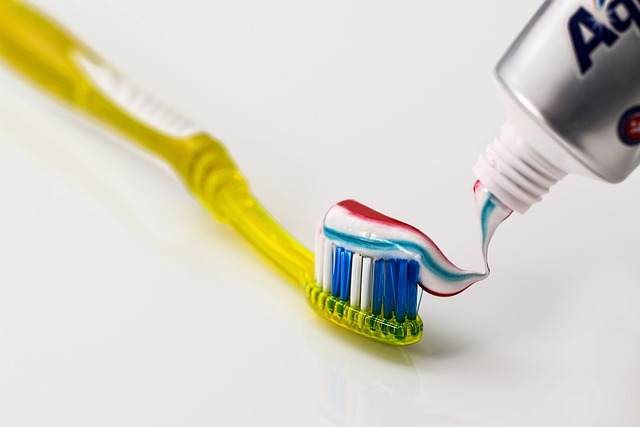
If you’re struggling with sensitive teeth, desensitizing toothpaste might be your new best friend. These specialized formulas contain compounds that help block the pathways to nerve endings in your teeth. You’ll often find ingredients like potassium nitrate or strontium chloride. They work by reducing the sensitivity over time. In fact, consistent use can also lead to noticeable relief. When selecting a desensitizing toothpaste, look for options specifically labeled for tooth sensitivity. Some brands even add flavors and whitening agents that make brushing enjoyable without sacrificing comfort. Just be sure to make it part of your daily oral care routine.
Avoid Acidic Foods and Drinks
Acidic foods and drinks can be a hidden enemy for those with sensitive teeth. Citrus fruits, sodas, and even some wines pack a punch that can erode enamel over time. When your enamel wears away, it exposes the sensitive layers beneath. Swapping out that morning orange juice for something milder like almond milk can, in fact, really help. Your teeth will thank you later. If you can’t resist indulging in acidic treats, try using a straw when drinking to minimize contact with your teeth. This simple trick helps protect vulnerable areas from damage. After consuming acidic items, rinse your mouth with water to help neutralize acidity levels. It’s an easy habit that makes a big difference.

Use Fluoride Mouthwash
Fluoride mouthwash can also be a big help you’ll need. It works by strengthening tooth enamel, making it more resistant to decay and sensitivity. When you swish fluoride rinse around your mouth, you’re not just freshening your breath. You’re actively helping protect against the factors that contribute to sensitivity. Incorporating this into your oral care routine is simple. You just need to use it after brushing and flossing for maximum benefits. Just remember not to eat or drink anything for at least 30 minutes afterward so the fluoride has time to work its magic. Moreover, look for options specifically designed for sensitive teeth. These products often contain additional soothing ingredients that can further alleviate discomfort while providing essential protection.
Bottom Line: Talk to Your Private Dentist
When dealing with sensitive teeth, seeking professional advice can your life a lot easier. Your private dentist can provide personalized, top-notch recommendations tailored just for you. So go ahead and schedule an appointment if you’re experiencing discomfort or pain while eating or drinking.




 The first step in selecting a memory supplement is to check the ingredients. It’s essential to look for supplements that contain natural, scientifically-proven ingredients that have been studied for their positive effects on cognitive function and memory.
 Finally, It’s important to consider any potential side effects that may come with taking a
 Solving puzzles and brain teasers is a great way to keep your mind sharp. This can help improve your memory, problem-solving skills, and logic. You can find puzzles and brain teasers online or in books. There are also apps that you can download to your phone or tablet. Give it a try next time you’re looking for a mental challenge!
 Cutting back on
  Reducing stress is another great way to prevent cognitive decline. Stress can hurt our mental and physical health. It can lead to anxiety, depression, and other health problems. There are many different ways to reduce stress. Some people find that exercise, meditation, and deep breathing help them relax. Others find that journaling or listening to music is helpful. Experiment and find what works best for you.