29 New Bury Health The Health Benefits of Phentermine

The Health Benefits of Phentermine

supplement

Phentermine has been around for over 50 years. It is a prescription drug that is used to help people lose weight. This medication works by suppressing appetite and increasing the body’s metabolic rate, leading to rapid weight loss.

Phentermine can be beneficial if you are looking for an alternative way of losing weight without going through surgery or strict dieting plans. The good news is that you can now purchase phentermine over the counter. There are natural alternatives that you can buy online. Below are the health benefits of Phentermine.

Good for Weight Loss

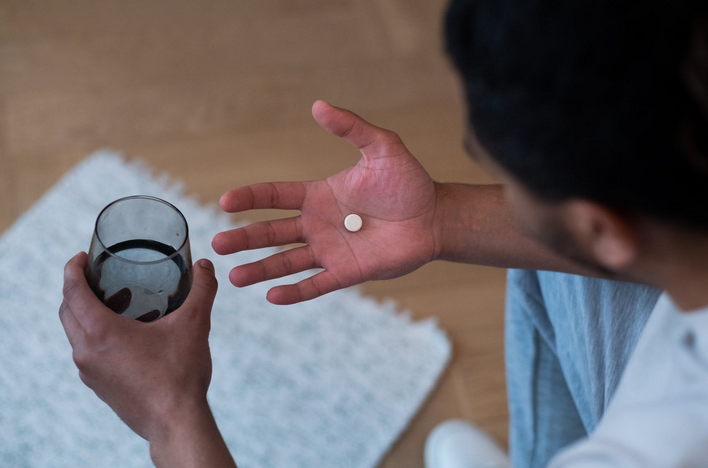
pillsPhentermine can help you lose weight if you are already overweight or obese. This medication is also good for people who need to shed a few pounds before undergoing certain medical procedures like surgery or laser treatments.

Many people who use this drug as a form of weight loss treatment want to look good for their wedding day or other special occasions. This medication can help you lose up to 20 pounds in just one month, which is why many medical practitioners across the country have recognized it.

Increases Energy Levels

Phentermine can also help to increase your energy levels. This medication works by stimulating the central nervous system, which leads to an increase in heart rate and blood pressure. This is why it’s not advisable for people who have heart problems, high blood pressure, or other medical conditions to use this drug. By increasing the body’s metabolic rate and suppressing appetite, people who take Phentermine can enjoy increased energy levels without feeling too tired throughout the day. As a result, you will feel more energetic and alert.

Improves Overall Health

When taken as prescribed, Phentermine can improve your overall health. It can also reduce the risk of cancer and other health problems. This drug is not just for weight loss. It can also help you become healthier and eliminate the risk of certain diseases or illnesses caused by obesity. Many people are suffering from heart diseases and other health conditions such as diabetes who rely on the effects of this drug to help them become healthier.

Phentermine is a weight-loss medication that has been used for decades. It works by suppressing appetite and increasing energy levels, increasing the number of calories burned each day. If you’re looking for ways to lose weight without changing your lifestyle or dieting, this drug might be right up your alley. However, it’s important to note that Phentermine can cause addiction if taken over long periods (more than 12 weeks). Be sure not to take more than one pill per day unless prescribed by a physician.


Leave a Reply

Your email address will not be published. Required fields are marked *

Related Post

mountains

Are You Hydrated? What Most People Get Wrong About Water IntakeAre You Hydrated? What Most People Get Wrong About Water Intake

You carry a water bottle everywhere. You sip throughout the day. You aim for those magical “eight glasses.” So, you must be hydrated, right? Not necessarily. Despite our best efforts, many of us are walking around mildly dehydrated without even realizing it. The problem isn’t always that we’re not drinking water—it’s that we don’t fully understand how hydration works. It’s time to rethink everything we’ve been told about water intake and hydration.

It’s Not Just About How Much You Drink

We’ve all heard the “8×8” rule: eight 8-ounce glasses of water a day. It’s simple and easy to remember—but also overly generalized. The truth is, that your hydration needs depend on several factors, including your weight, activity level, climate, and the types of food you eat. Some people may need much more than eight glasses, while others need less. More importantly, how your body uses that water is just as critical as how much you consume.

Your Body Doesn’t Absorb Water Instantly

A common misconception is that as soon as you drink water, you’re instantly hydrated. In reality, hydration is a process. Water has to pass through your digestive system and be absorbed into your bloodstream and cells. If you chug a bottle of water all at once, much of it might just be flushed out. Sipping consistently over time allows your body to absorb and use the water more effectively. It’s not about drinking more—it’s about drinking smarter.

Your Body Doesn’t Absorb Water Instantly

Food Plays a Bigger Role Than You Think

Water doesn’t just come from your glass—it also comes from your plate. Many fruits and vegetables, like cucumbers, oranges, and watermelons, are rich in water and help keep you hydrated. Soups, smoothies, and even cooked grains like rice and oats contain significant moisture. If you eat a nutrient-rich, water-dense diet, you’re already getting a head start on hydration—something the “just drink more” advice often overlooks.

Electrolytes: The Unsung Heroes of Hydration

Water is crucial, but it’s not the only player. Electrolytes—minerals like sodium, potassium, and magnesium—help regulate fluid balance in your body. If you’re sweating a lot, working out hard, or simply drinking tons of plain water without replenishing electrolytes, you might throw off your balance. That can lead to symptoms that feel like dehydration—headaches, fatigue, dizziness—even if you’re technically drinking enough water. Balanced hydration means maintaining both fluids and electrolytes.

Electrolytes: The Unsung Heroes of Hydration

Thirst Isn’t Always a Reliable Signal

Many people think they’re not dehydrated because they don’t feel thirsty. But thirst is a delayed signal—it kicks in after your body has already started experiencing dehydration. By the time you feel it, you’re already behind. And in some people, especially older adults, the thirst mechanism isn’t as sharp. That’s why it’s important to drink consistently throughout the day, rather than waiting until you feel parched. Hydration isn’t about obsessively counting cups or chugging litres of water at once. It’s about understanding how your body uses water and creating habits that support steady, effective hydration throughout the day. Think beyond the bottle: include hydrating foods, keep electrolytes in balance, and pay attention to how you feel—not just how much you drink. Staying truly hydrated is one of the simplest ways to support your energy, focus, and overall health—and now you know how to do it right.

girl

Struggling With Sensitive Teeth? End Your Suffering With These TipsStruggling With Sensitive Teeth? End Your Suffering With These Tips

Have you ever cringed at the sensation when you bite into a cold ice cream cone or sipping on that delicious hot cup of morning joe? If so, you’re not alone. Sensitive teeth are like a big surprise from devils, it turns simple pleasures into painful experiences. The good news is that there are effective ways to manage this discomfort and regain your confidence in enjoying your favorite foods and drinks.

If you talk to any dentist in Kensington or other places in UK, you’ll realize sensitive teeth never means the end of the world. In fact, these small changes can help you a lot. What are those changes? How do they help you? Let’s find out.

Switch to a Soft-Bristled Toothbrush

Switching to a soft-bristled toothbrush can be a game changer for those with sensitive teeth. Hard bristles may seem like they provide a better clean, but they can cause more harm than good. They often wear down enamel and irritate your gums. A soft-bristled option is gentle yet effective. It easily cleans your teeth without the harsh scrubbing that leads to discomfort. This small shift in your dental routine can significantly reduce sensitivity over time. When choosing a toothbrush, look for one that feels comfortable in your hand and mouth. You’ll likely find it easier to brush thoroughly while also being kind to your teeth and gums.

Switch to a Soft-Bristled Toothbrush

Try Desensitizing Toothpaste

If you’re struggling with sensitive teeth, desensitizing toothpaste might be your new best friend. These specialized formulas contain compounds that help block the pathways to nerve endings in your teeth. You’ll often find ingredients like potassium nitrate or strontium chloride. They work by reducing the sensitivity over time. In fact, consistent use can also lead to noticeable relief. When selecting a desensitizing toothpaste, look for options specifically labeled for tooth sensitivity. Some brands even add flavors and whitening agents that make brushing enjoyable without sacrificing comfort. Just be sure to make it part of your daily oral care routine.

Avoid Acidic Foods and Drinks

Acidic foods and drinks can be a hidden enemy for those with sensitive teeth. Citrus fruits, sodas, and even some wines pack a punch that can erode enamel over time. When your enamel wears away, it exposes the sensitive layers beneath. Swapping out that morning orange juice for something milder like almond milk can, in fact, really help. Your teeth will thank you later. If you can’t resist indulging in acidic treats, try using a straw when drinking to minimize contact with your teeth. This simple trick helps protect vulnerable areas from damage. After consuming acidic items, rinse your mouth with water to help neutralize acidity levels. It’s an easy habit that makes a big difference.

ine.

Avoid Acidic Foods and Drinks

Use Fluoride Mouthwash

Fluoride mouthwash can also be a big help you’ll need. It works by strengthening tooth enamel, making it more resistant to decay and sensitivity. When you swish fluoride rinse around your mouth, you’re not just freshening your breath. You’re actively helping protect against the factors that contribute to sensitivity. Incorporating this into your oral care routine is simple. You just need to use it after brushing and flossing for maximum benefits. Just remember not to eat or drink anything for at least 30 minutes afterward so the fluoride has time to work its magic. Moreover, look for options specifically designed for sensitive teeth. These products often contain additional soothing ingredients that can further alleviate discomfort while providing essential protection.

Bottom Line: Talk to Your Private Dentist

When dealing with sensitive teeth, seeking professional advice can your life a lot easier. Your private dentist can provide personalized, top-notch recommendations tailored just for you. So go ahead and schedule an appointment if you’re experiencing discomfort or pain while eating or drinking.

erectile dysfunction

Erectile Dysfunction: The Causes and How to Deal With ItErectile Dysfunction: The Causes and How to Deal With It

Erectile dysfunction is the inability to achieve or maintain an erection until the end of sexual intercourse. It is the first sexual disorder in importance and impact on the male psyche, but it is the second in frequency after premature ejaculation. You can try different remedies like taking the best erection pills to help you deal with the condition.

Causes of Erectile Dysfunction

erection problemThe disorder can arise:

  • from a psychological point, such as performance anxiety. Those who suffer from this disorder experience the relationship as an exam to be passed, and the fear of failure itself becomes the reason for the disorder;
  • from a compromised circulatory system :
  • from problems with diabetes, cholesterol, weight;
  • due to hormonal disorders (drop in testosterone production);
  • from excess smoking.

What Are the Symptoms?

Man experiences difficulty in getting or maintaining an erection. It can be accompanied by premature ejaculation and decreased desire.

What Are the Repercussions on Sexual and Couple Life?

Erectile dysfunction, if neglected and not treated, can become chronic and therefore become a genuine reason for anxiety, depression, and insecurity. It can cause big problems for the couple, and it is not only with a drug, often taken without the partner’s knowledge, that the situation can be resolved. This is why communication and transparency are fundamental, even with one’s partner who is often involved in therapy to become an accomplice and friend, not an obstacle or a cause for anxiety. Sharing discomfort helps strengthen couple bonds.

How Should Someone With This Disorder Behave?

low libidoThe first step is to talk to a medical practitioner, an andrologist, urologist, or endocrinologist. You must not close in on yourself: nowadays, there are many valid means that help solve this problem which is much more widespread than we think. And it does not resolve itself. It can only get worse.

Because the arteries in the penis are narrower than those that run through the heart, difficulty getting an erection can be a must-see for cardiovascular disease. Furthermore, erectile dysfunction is closely linked to stress, anxiety, and depression. All risk factors for heart health. Seek immediate treatment to manage the condition.

How is Erectile Dysfunction Treated?

The first cure against the “flop” under the sheets was Sildenafil (Viagra). Other generic pills can also help you deal with the condition. Sticking to a healthy diet and exercise is vital because this will help you shed weight. You should also avoid drugs and smoking because they also cause erectile dysfunction.