

Erectile dysfunction is the inability to achieve or maintain an erection until the end of sexual intercourse. It is the first sexual disorder in importance and impact on the male psyche, but it is the second in frequency after premature ejaculation. You can try different remedies like taking the best erection pills to help you deal with the condition.
Causes of Erectile Dysfunction
 The disorder can arise:
- from a psychological point, such as performance anxiety. Those who suffer from this disorder experience the relationship as an exam to be passed, and the fear of failure itself becomes the reason for the disorder;
- from a compromised circulatory system :
- from problems with diabetes, cholesterol, weight;
- due to hormonal disorders (drop in testosterone production);
- from excess smoking.
What Are the Symptoms?
Man experiences difficulty in getting or maintaining an erection. It can be accompanied by premature ejaculation and decreased desire.
What Are the Repercussions on Sexual and Couple Life?
Erectile dysfunction, if neglected and not treated, can become chronic and therefore become a genuine reason for anxiety, depression, and insecurity. It can cause big problems for the couple, and it is not only with a drug, often taken without the partner’s knowledge, that the situation can be resolved. This is why communication and transparency are fundamental, even with one’s partner who is often involved in therapy to become an accomplice and friend, not an obstacle or a cause for anxiety. Sharing discomfort helps strengthen couple bonds.
How Should Someone With This Disorder Behave?
 The first step is to talk to a medical practitioner, an andrologist, urologist, or endocrinologist. You must not close in on yourself: nowadays, there are many valid means that help solve this problem which is much more widespread than we think. And it does not resolve itself. It can only get worse.
Because the arteries in the penis are narrower than those that run through the heart, difficulty getting an erection can be a must-see for cardiovascular disease. Furthermore, erectile dysfunction is closely linked to stress, anxiety, and depression. All risk factors for heart health. Seek immediate treatment to manage the condition.
How is Erectile Dysfunction Treated?
The first cure against the “flop” under the sheets was Sildenafil (Viagra). Other generic pills can also help you deal with the condition. Sticking to a healthy diet and exercise is vital because this will help you shed weight. You should also avoid drugs and smoking because they also cause erectile dysfunction.

 One of the best exercises to strengthen your joint is leg extension. This exercise works the quadriceps, which are the muscles in the front of your thigh. To do this exercise, you will need a machine. Sit on the machine and place your legs under the padded lever. Make sure that your knees are aligned with the axes of the lever. Slowly extend your legs until they are straight. Hold this position for a moment, and then slowly lower your legs back to the starting position. If you want, you can add weight to this exercise by holding a dumbbell in your hands. Just make sure that the weight is not too heavy.
 Lastly, the triceps pushdown is a great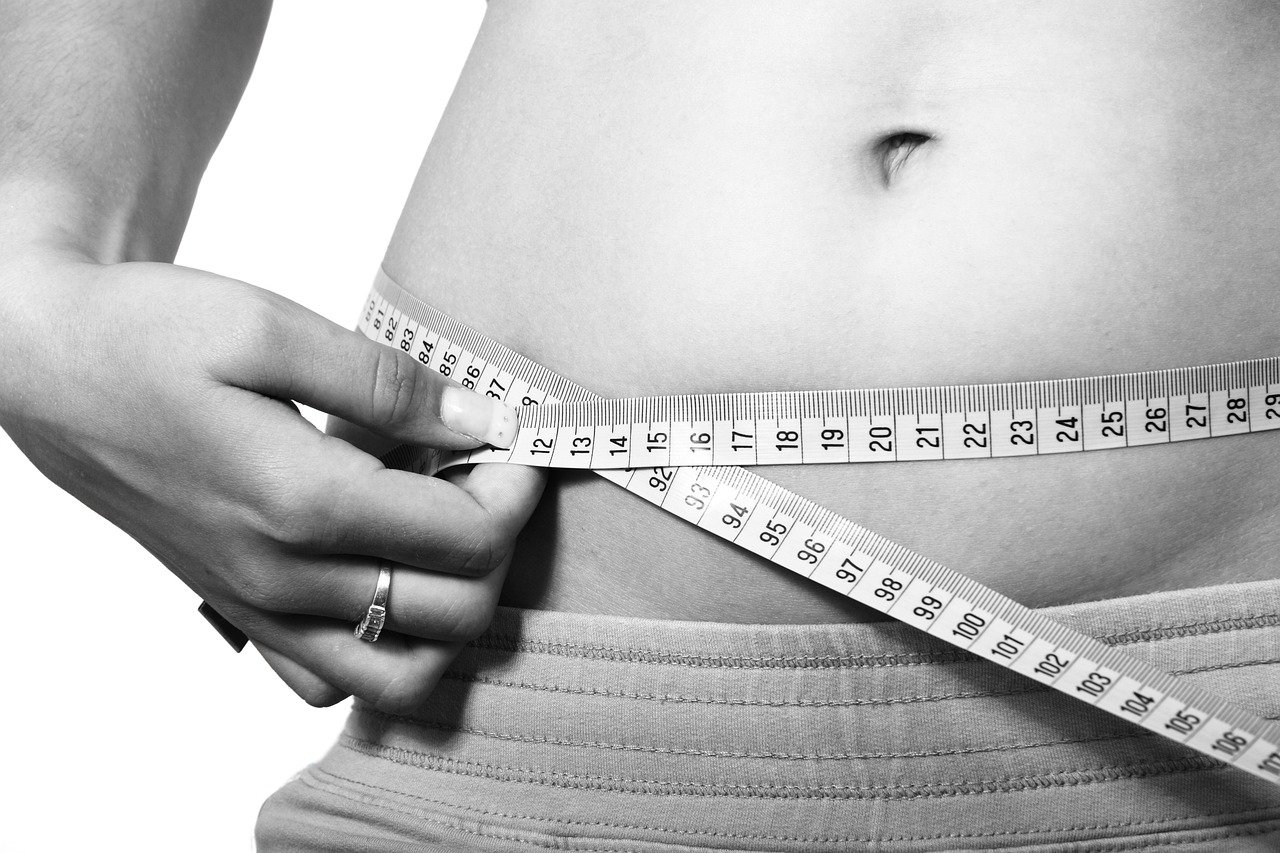
 The first tip is to avoid skipping breakfast. A lot of people think that they can save calories by not eating breakfast. However, this is actually counterproductive. If you plan on skipping breakfast, there is a huge chance that you will eat more throughout the day. Additionally, skipping breakfast can lead to low energy levels and cravings later on. So, make sure to eat a nutritious breakfast every day. Some people like to start their day with a smoothie or a healthy breakfast bowl.
 Lastly, it’s also important to watch your portions. Overeating can lead to weight gain, even if you’re eating healthy foods. So, make sure that you’re not overeating at each
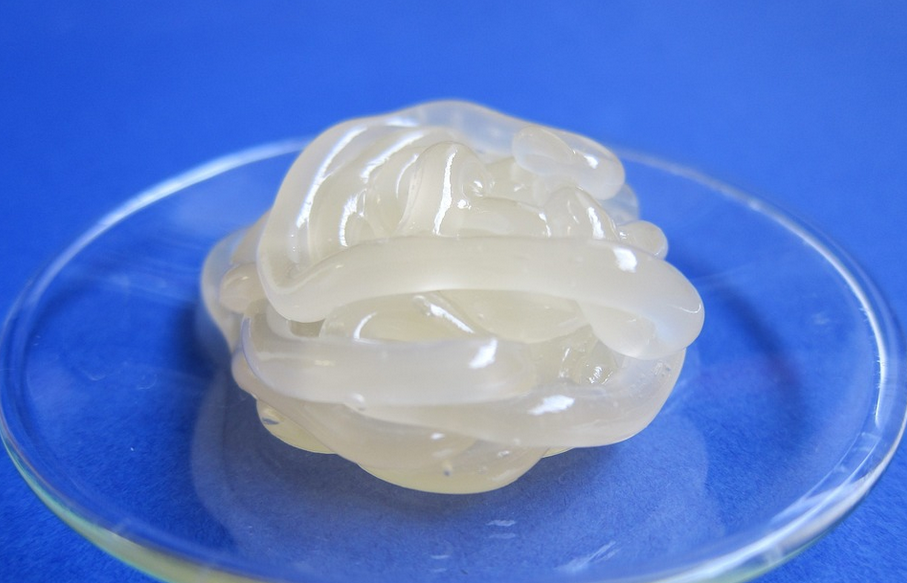 One of the most effective ways to treat mild hemorrhoids is to apply an ointment or cream. There are many different types of ointments and creams on the market, but not all of them are equally effective. You will want to look for an ointment or cream that contains ingredients like witch hazel or aloe vera. These ingredients will help to soothe the inflammation and irritation that is often associated with hemorrhoids. Apply the ointment or cream to the affected area several times a day, and you should see a noticeable improvement in your symptoms.
 Another effective way to treat mild hemorrhoids is to take a warm bath. This will help to soothe the irritation and inflammation that is associated with the condition. Add some Epsom salt or baking soda to your bath water to help reduce the swelling. Soak in the tub for 20 minutes; just relax and let the warm water work its magic. Doing this often will help to reduce your symptoms and make you more comfortable. If you regularly take warm baths, you can actually prevent hemorrhoids. This is what makes the treatment so effective.
 Lastly, it is important to follow a high-fiber diet. This means eating plenty of healthy foods and whole grains. Doing so will help to soften your stool and make it easier to pass. This will reduce the strain on your hemorrhoids and help to heal them faster. Start off slowly if you are not used to eating a high-fiber diet. Increase your intake gradually over time. Also, be sure to drink plenty of water. This will help to prevent constipation and make it easier for your body to absorb the fiber. Remember that fiber is an essential part of any healthy diet, so even if you don’t have hemorrhoids, eating plenty of fiber-rich foods is still a good idea. There are many recipes online that can help you to increase your fiber intake.