

Are You Hydrated? What Most People Get Wrong About Water IntakeAre You Hydrated? What Most People Get Wrong About Water Intake
You carry a water bottle everywhere. You sip throughout the day. You aim for those magical “eight glasses.” So, you must be hydrated, right? Not necessarily. Despite our best efforts, many of us are walking around mildly dehydrated without even realizing it. The problem isn’t always that we’re not drinking water—it’s that we don’t fully understand how hydration works. It’s time to rethink everything we’ve been told about water intake and hydration.
It’s Not Just About How Much You Drink
We’ve all heard the “8×8” rule: eight 8-ounce glasses of water a day. It’s simple and easy to remember—but also overly generalized. The truth is, that your hydration needs depend on several factors, including your weight, activity level, climate, and the types of food you eat. Some people may need much more than eight glasses, while others need less. More importantly, how your body uses that water is just as critical as how much you consume.
Your Body Doesn’t Absorb Water Instantly
A common misconception is that as soon as you drink water, you’re instantly hydrated. In reality, hydration is a process. Water has to pass through your digestive system and be absorbed into your bloodstream and cells. If you chug a bottle of water all at once, much of it might just be flushed out. Sipping consistently over time allows your body to absorb and use the water more effectively. It’s not about drinking more—it’s about drinking smarter.

Food Plays a Bigger Role Than You Think
Water doesn’t just come from your glass—it also comes from your plate. Many fruits and vegetables, like cucumbers, oranges, and watermelons, are rich in water and help keep you hydrated. Soups, smoothies, and even cooked grains like rice and oats contain significant moisture. If you eat a nutrient-rich, water-dense diet, you’re already getting a head start on hydration—something the “just drink more” advice often overlooks.
Electrolytes: The Unsung Heroes of Hydration
Water is crucial, but it’s not the only player. Electrolytes—minerals like sodium, potassium, and magnesium—help regulate fluid balance in your body. If you’re sweating a lot, working out hard, or simply drinking tons of plain water without replenishing electrolytes, you might throw off your balance. That can lead to symptoms that feel like dehydration—headaches, fatigue, dizziness—even if you’re technically drinking enough water. Balanced hydration means maintaining both fluids and electrolytes.
Thirst Isn’t Always a Reliable Signal
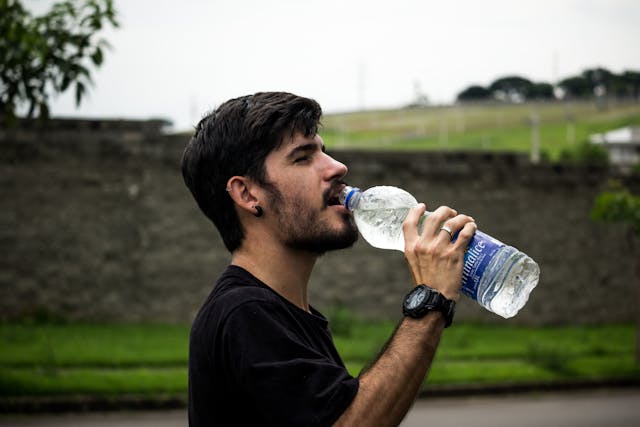
Many people think they’re not dehydrated because they don’t feel thirsty. But thirst is a delayed signal—it kicks in after your body has already started experiencing dehydration. By the time you feel it, you’re already behind. And in some people, especially older adults, the thirst mechanism isn’t as sharp. That’s why it’s important to drink consistently throughout the day, rather than waiting until you feel parched. Hydration isn’t about obsessively counting cups or chugging litres of water at once. It’s about understanding how your body uses water and creating habits that support steady, effective hydration throughout the day. Think beyond the bottle: include hydrating foods, keep …